

2026-07-29 11:40:03
PVC Reinforced Electrical Wire is a type of electrical cable that uses PVC (Polyvinyl Chloride) as an insulation and protective material, with additional reinforcement layers to improve mechanical strength, durability, and resistance to external damage.
Compared with ordinary PVC insulated wires, PVC Reinforced Electrical Wire provides enhanced protection against abrasion, pulling force, bending stress, and harsh operating environments. It is widely used in industrial equipment, automation systems, construction machinery, power distribution, and electrical installations where higher mechanical protection is required.
With excellent insulation performance, flexibility, and durability, reinforced PVC electrical wire is a reliable solution for transmitting electrical power and signals in demanding applications.
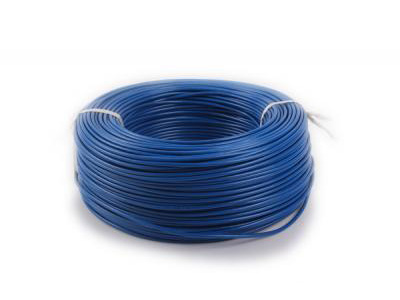
PVC reinforced electrical wire is an electrical cable designed with a conductive core, PVC insulation layer, and an additional reinforcement structure that improves the wire’s mechanical performance.
The conductor is usually made of copper, which provides excellent electrical conductivity. The PVC insulation protects against electrical leakage, while the reinforced layer increases resistance to mechanical stress.
The typical structure of PVC reinforced electrical wire includes:
Copper conductor
PVC insulation layer
Reinforced protective layer
Outer PVC sheath (depending on design)
The reinforcement can be made using different materials or structures, such as:
Fiberglass reinforcement
Braided reinforcement
Polyester fiber reinforcement
Additional PVC protective layers
These designs help the wire withstand more challenging working conditions compared with standard electrical wires.
One of the biggest advantages of PVC reinforced wire is its improved mechanical durability.
The reinforced structure helps protect the cable from:
Pulling forces
Impact damage
Compression
Frequent bending
Physical wear
This makes it suitable for industrial environments where cables may experience continuous movement or mechanical stress.
PVC is widely used as an electrical insulation material because of its reliable dielectric properties.
PVC insulation helps prevent:
Short circuits
Electrical leakage
Accidental contact
Equipment damage
Although reinforced for extra strength, PVC reinforced electrical wire maintains good flexibility, allowing easier installation in complex wiring systems.
Flexible designs are especially useful for:
Moving machinery
Control equipment
Automation systems
The reinforced PVC structure provides better protection against friction and surface damage, extending the service life of the cable.
PVC insulation provides resistance against:
Moisture
Dust
Oil exposure
Common chemicals
This allows the wire to operate reliably in various industrial environments.
The working principle of PVC reinforced electrical wire is similar to other electrical cables.
The copper conductor inside the wire carries electrical current or electrical signals between connected devices.
The PVC insulation surrounds the conductor and prevents unwanted electrical contact.
The reinforced layer improves the wire’s ability to withstand external mechanical forces, helping maintain electrical performance during operation.
This combination of conductivity, insulation, and mechanical protection makes PVC reinforced wire suitable for applications requiring both electrical safety and physical durability.
PVC reinforced electrical wire is commonly used in industrial machinery and manufacturing equipment.
Applications include:
Machine wiring
Control cabinets
Motor connections
Automation equipment
Production lines
The reinforced structure helps protect cables exposed to vibration, movement, and mechanical stress.
Construction environments often involve dust, impact, and frequent cable movement.
PVC reinforced wire can be used for:
Portable electrical equipment
Temporary power connections
Construction machinery
Site electrical systems
Modern automation systems require cables that can withstand repeated movement.
PVC reinforced electrical wire is suitable for:
Robotic equipment
Sensors
Control systems
Automated machinery
Reinforced PVC electrical wires can be used in electrical installations where additional protection is needed for power transmission and control circuits.
Some transportation and mobile equipment applications use reinforced Pvc Wires because of their flexibility and durability.
Although both use PVC insulation, reinforced PVC electrical wire provides additional mechanical protection.
| Feature | PVC Reinforced Electrical Wire | Standard PVC Electrical Wire |
|---|---|---|
| Mechanical Strength | Higher | Moderate |
| Abrasion Resistance | Excellent | Good |
| Flexibility | Good | Good |
| Electrical Insulation | Excellent | Excellent |
| Application Environment | Industrial and demanding environments | General wiring applications |
| Protection Level | Higher | Standard |
For applications exposed to frequent movement, vibration, or physical stress, PVC reinforced electrical wire provides better reliability.
This type uses a braided reinforcement layer to improve tensile strength and flexibility.
It is commonly used in applications requiring frequent bending and movement.
Fiberglass reinforcement provides excellent heat resistance and mechanical strength.
It is suitable for higher-temperature industrial environments.
Designed for applications requiring repeated movement, flexible reinforced PVC cables are commonly used in machinery and automation systems.
Heavy-duty designs provide increased protection against impact, abrasion, and harsh operating conditions.
Select a wire with the correct voltage rating and conductor size according to the electrical load.
Consider factors such as:
Temperature
Moisture
Mechanical stress
Chemical exposure
Frequency of movement
Different reinforcement structures provide different levels of protection. Select the design based on the application requirements.
For industrial and commercial applications, choose wires that meet relevant safety standards and certifications.
A professional PVC reinforced electrical wire manufacturer can provide customized solutions, including conductor sizes, insulation thickness, colors, and reinforcement designs.
The reinforced structure reduces damage caused by mechanical stress, helping extend cable lifespan.
Better insulation and protection reduce the risk of electrical failures.
PVC reinforced wire performs well in applications involving vibration, abrasion, and environmental exposure.
Compared with some high-performance cable materials, PVC reinforced electrical wire provides a good balance between performance and cost.
PVC reinforced electrical wire is used for industrial equipment, automation systems, construction machinery, control panels, and electrical installations requiring extra mechanical protection.
PVC wire mainly uses PVC insulation for electrical protection, while PVC reinforced wire includes additional reinforcement layers to improve strength and durability.
Yes. Many reinforced PVC wires are designed with flexible copper conductors and reinforcement structures that allow bending and movement.
Reinforced electrical wire provides better resistance to abrasion, pulling force, impact, and mechanical stress compared with standard wires.
Common reinforcement materials include fiberglass, polyester fiber, braided layers, and additional protective PVC structures.

Specializing in the production of wire and cable Hong Kong funded enterprises (both domestic and foreign sales); has won the IS09001-2000 international quality certification and the United States UL safety certification, is a professional wire manufacturers.
Tel: +86-769-8178 1133
Mobile: +86-13549233111
E-mail: andy@herwell.com.cn
Add: No.13 Shui Chang Er Road, Shui Kou Village, Dalang Town, Dongguan City, Guangdong Province, China


