LSZH Wire vs pvc cable: What's The Difference?
The core difference between LSZH (Low Smoke Zero Halogen) wire and standard PVC cable comes down to what happens when they burn: LSZH insulation releases minimal smoke and no corrosive halogen gas, while PVC produces dense smoke and toxic hydrogen chloride under fire conditions. That difference matters most in enclosed or high-occupancy spaces, which is why LSZH cable has become the standard requirement in transportation, data centers, and medical facilities, even though PVC remains cheaper and more widely available for general-purpose wiring.
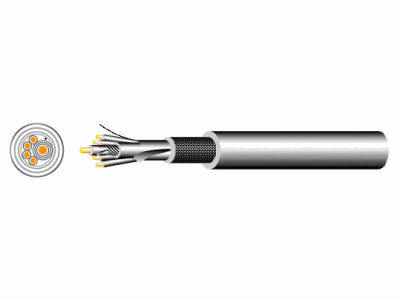
1. Smoke Density Under Fire
This is the most consequential difference. Per IEC 61034, LSZH wire typically keeps smoke density below 20% optical obscurity when burned, compared to PVC cable, which can exceed 80%. In a fire, that gap directly affects visibility for evacuation and firefighting—low smoke cable keeps escape routes visible far longer than PVC insulation does.
2. Toxic And Corrosive Gas Release
PVC insulation contains chlorine, which releases hydrogen chloride (HCl) gas when burned—a corrosive, toxic byproduct that damages sensitive electronics and poses a direct health risk in confined spaces. LSZH wire uses halogen-free compounds (typically polyethylene or polypropylene based) instead, with halogen content restricted to under 0.1% per IEC 60754-1, eliminating that corrosive gas release entirely.
3. Flame Retardancy And Self-Extinguishing Behavior
Both cable types can meet flame-retardant standards, but LSZH wire is typically formulated to exceed a limiting oxygen index (LOI) of 28%, giving it reliable self-extinguishing properties once the ignition source is removed. LSZH cable is commonly tested against IEC 60332-1 and UL 1685, standards frequently required for plenum and riser spaces where fire needs to be contained rather than allowed to spread along cable runs.
4. Cost And Availability
PVC cable remains less expensive to produce and is more widely stocked, which is why it's still the default choice for general-purpose wiring where fire-safety regulations don't specifically require halogen-free materials. LSZH wire costs more due to its specialized compounds and certification requirements, but that premium is generally non-negotiable in applications where code compliance leaves no alternative.
Not sure whether your project requires LSZH-rated cable? Send us your application and any relevant code or certification requirement, and we'll confirm the right wire type—we typically respond within 24 hours.
5. Where Each One Is Actually Required Or Preferred
LSZH wire is required or strongly preferred in metro systems, aircraft, and ships (under standards like EN 45545 and FAA 25.853), server rooms and telecom hubs (TIA-942 compliant facilities), hospitals (NFPA 99), oil refineries and chemical plants (API 14F), and building riser/plenum spaces (NEC 725). PVC cable remains suitable for general residential and light commercial wiring where none of these fire-safety codes apply and cost efficiency is the priority.
6. A Common Point Of Confusion: LSZH/PVC Vs. CM/CMR/CMP Ratings
It's easy to assume LSZH and PVC compete directly with ratings like CM, CMR, and CMP, but these describe two different things. LSZH and PVC describe the jacket material itself—what it's made of and how it behaves when it burns. CM, CMR, and CMP are installation ratings defined by the National Electrical Code (NEC), describing where a cable is approved to be installed: CM covers general-purpose use, CMR covers risers and vertical shafts, and CMP covers plenum spaces like air-handling voids, with each rating requiring better fire performance than the last.
The two systems intersect but aren't interchangeable—a cable can be LSZH-jacketed and still need to carry a specific CM/CMR/CMP rating depending on where it's installed, and conversely, a PVC cable can carry a CMP rating without being halogen-free. If your project specifies a fire code requirement, it's worth confirming whether that requirement is actually about jacket material (LSZH) or installation location (CM/CMR/CMP)—the two questions call for different answers, and conflating them is one of the more common sourcing mistakes.
7. Which Should You Choose?
This isn't really a matter of overall preference—it's a matter of what your project's fire code, industry standard, or end customer requires. If your application falls under any of the enclosed-space or high-occupancy categories above, LSZH cable is generally mandatory rather than optional. If you're wiring a general-purpose application with no specific halogen-free requirement, PVC remains a cost-effective, widely available choice.
If you're specifying cable for a project with fire-safety or environmental compliance requirements, sharing your industry standard (EN 45545, NFPA 99, TIA-942, etc.) and required certifications can help confirm the right LSZH wire specification for your application.