Spiral wrap and copper braid are the two most common EMI shielding methods used in internal equipment wiring and signal cables—not to be confused with the shielding used in Ethernet or coaxial networking cable, which follows different standards entirely. For internal wiring in electronics, audio equipment, and control circuits, the right choice comes down to a trade-off between flexibility and shielding coverage: a spiral-wrapped tinned or bare copper wire prioritizes flexibility and ease of termination, while a woven copper braid prioritizes more complete EMI coverage at the cost of some flexibility.
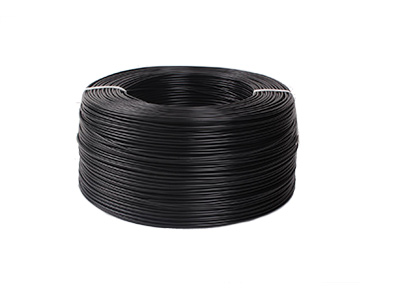
1. How Each Shielding Method Is Constructed
Spiral wrap shielding, as used in cables like Spiral Shielded Cable and Shielded Parallel Cable, wraps a single strand of tinned or bare copper wire around the insulated conductor in a continuous spiral. A copper braid instead interweaves multiple tinned copper strands into a mesh sleeve, similar to a fine metal fabric, that surrounds the conductor. This structural difference is the source of nearly every practical trade-off between the two.
2. Flexibility And Bend Life
Spiral wrap is inherently more flexible, since the wire wraps loosely enough to allow the cable to bend and flex repeatedly without the shield cracking or work-hardening. This makes it a common choice for cables that get moved, coiled, or repositioned frequently—recording studio patch cables and audio equipment wiring being typical examples. Copper braid is stiffer by comparison; the tightly woven mesh resists movement, which is fine for fixed installations but can fatigue and eventually break individual strands in an application involving constant flexing.
3. Shielding Coverage And EMI Performance
Copper braid shielding generally provides denser, more complete coverage around the conductor, since the woven mesh leaves fewer gaps for electromagnetic interference to pass through—typically achieving 70-95% optical coverage depending on weave density. Spiral wrap leaves small gaps between wraps, so its EMI coverage is generally lower, though still effective for the low-frequency signal transmission it's most commonly used for, such as in electronic circuits and general audio wiring.
Not sure which shielding method fits your signal environment? Send us your application and any EMI sensitivity requirements, and we'll recommend the right cable construction—we typically respond within 24 hours.
4. Termination And Assembly
Spiral wrap is generally easier and faster to terminate—the spiral wire can be unwound and gathered into a drain wire with minimal effort, which matters for high-volume cable assembly work. Copper braid takes more time to terminate properly, since the woven strands need to be carefully combed back or soldered to avoid loose strands shorting against other components, adding a small but real cost in labor-intensive assembly processes.
5. Typical Applications For Each
Spiral-wrapped cables are well suited to recording studios, sound systems, and general electronic circuit wiring—environments with moderate EMI concerns and a need for cable flexibility, which is why products like Spiral Shielded Cable and Shielded Parallel Cable are built around this construction. Tinned copper braid shielding tends to show up in applications with stricter EMI requirements or higher-frequency signals, such as industrial control wiring near heavy machinery or installations near strong electromagnetic sources, where the extra shielding coverage matters more than flex life.
This comparison applies specifically to internal wiring and signal transmission cable—it's a separate topic from the shielding used in structured networking cable (like shielded Cat5e/Cat6 Ethernet cable) or Coaxial Cable, which follow their own distinct construction standards and terminology.
6. Which Should You Choose?
If your cable needs to flex repeatedly, gets moved or coiled often, or serves a moderate-EMI environment like general electronics or audio equipment, spiral wrap is usually the more practical and cost-effective choice. If your application demands maximum EMI protection, involves higher-frequency signals, or stays in a fixed installation where flex life isn't a concern, copper braid shielding is worth the added cost and assembly time.
If you're specifying a shielded cable for a new design, sharing your signal type, EMI environment, and how much the cable will flex in use can help confirm whether spiral wrap or copper braid shielding—and which specific construction—is the right fit.