

2026-09-04 11:04:30
Plastic coated electrical wire is a type of electrical wire that uses a plastic material as insulation around the conductive core. The conductor carries electrical current, while the plastic coating provides electrical insulation and physical protection.
In a typical electrical wire with plastic coating, the basic structure consists of:
Conductor: Usually copper or aluminum, responsible for carrying electrical current.
Plastic insulation: Surrounds the conductor and prevents unwanted electrical contact.
Outer protection: Some wire constructions may include an additional protective jacket or sheath.
The specific performance of the wire depends on the conductor size, insulation material, rated voltage, operating temperature, flexibility, and applicable electrical standards.
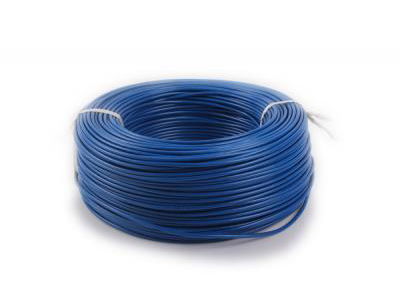
The main purpose of the plastic coating is to electrically isolate the conductor from its surroundings. It also provides mechanical and environmental protection.
The plastic layer prevents the conductive metal core from directly contacting people, other wires, or conductive components. This is the most important function of plastic insulated wire.
By separating individual conductors, the insulation helps reduce the possibility of unintended electrical contact and short circuits during normal operation.
A plastic coating can help protect the conductor from minor abrasion, bending, scratching, and handling during installation and use.
Depending on the insulation material and construction, plastic-coated wire can provide resistance to moisture, chemicals, oils, or other environmental conditions. However, the actual resistance must be confirmed from the manufacturer's specifications.
Different plastic insulation materials are selected according to the electrical, thermal, mechanical, and environmental requirements of the application.
PVC insulated wire is one of the most common types of plastic-coated electrical wire. PVC, or polyvinyl chloride, provides good electrical insulation, mechanical protection, and cost efficiency.
pvc electrical wire is widely used in electrical appliances, control systems, lighting, household wiring, and various low-voltage electrical applications.
Polyethylene (PE) can be used as an insulation material when specific electrical and environmental properties are required. PE-based insulation is commonly found in certain communication and electrical cable applications.
Cross-linked polyethylene (XLPE) is used in applications requiring higher thermal and electrical performance than some conventional insulation materials. It is commonly associated with power cables and other demanding electrical applications.
Plastic coated electrical wire is used across residential, commercial, industrial, automotive, and electronic applications.
Plastic-coated wires are commonly used for lighting circuits, switches, electrical outlets, appliances, and other household electrical connections, provided that the selected wire meets local electrical requirements.
Electrical appliances often require insulated wires for internal power connections and control circuits. The insulation material and wire size are selected according to voltage, current, temperature, and flexibility requirements.
Industrial machinery, automation systems, control panels, sensors, motors, and electrical equipment can use different types of plastic coated wire for power and signal connections.
Plastic insulated wires are also used in automotive electrical systems, electronic equipment, battery connections, lighting systems, and other low-voltage applications.
The terms plastic coated electrical wire and plastic insulated wire are often used to describe similar products, but their meaning can depend on the product specification and industry terminology.
| Term | Meaning |
|---|---|
| Plastic Coated Electrical Wire | Emphasizes that the wire has a plastic outer coating or covering. |
| Plastic Insulated Wire | Emphasizes the electrical insulation provided by the plastic material. |
| PVC Insulated Wire | A plastic insulated wire specifically using PVC as the insulation material. |
| PVC Electrical Wire | General term for electrical wire using PVC insulation or protection. |
For technical selection, buyers should rely on the manufacturer's datasheet rather than the product name alone.
Plastic insulation provides an effective barrier around the conductor and helps improve electrical safety.
Many plastic insulation materials can be processed efficiently, making plastic-coated wires suitable for high-volume electrical applications.
Depending on the conductor construction and insulation formulation, plastic-coated wires can be designed for different levels of flexibility and installation requirements.
The outer plastic layer helps protect the metal conductor against everyday handling, friction, and minor mechanical damage.
Because different insulation materials and wire constructions are available, plastic-coated electrical wire can be used in applications ranging from household appliances to industrial control systems.
Copper or aluminum wire is prepared according to the required conductor diameter, cross-sectional area, and electrical performance.
The selected plastic material is heated and extruded around the conductor to form a continuous insulation layer. The thickness of the insulation is controlled according to the product design and applicable standards.
After extrusion, the insulated wire is cooled and stabilized. The production line controls the dimensions and surface quality of the insulation.
Finished wires may be tested for conductor resistance, insulation performance, dimensional accuracy, appearance, voltage withstand, and other properties required by the applicable standard.
The completed plastic coated electrical wire is wound into coils, reels, or other packaging formats according to transportation and installation requirements.
Choosing the right plastic coated wire requires more than selecting an insulation color or material. The complete electrical and environmental requirements should be considered.
Make sure the wire's voltage rating meets or exceeds the requirements of the intended electrical system.
The conductor cross-sectional area or wire gauge affects current-carrying capacity and voltage drop. Select the appropriate size based on the application and relevant electrical standards.
Different insulation materials and grades have different temperature ratings. Do not assume that every PVC or plastic-coated wire can operate at high temperatures.
For applications involving repeated movement or tight installation spaces, a flexible conductor construction may be required.
Consider exposure to moisture, chemicals, oils, UV radiation, abrasion, heat, or cold. The selected wire should have specifications appropriate for its installation environment.
For commercial and industrial applications, check the required electrical standards and certifications for the target market. Requirements may vary by country, application, and installation method.
PVC is widely used because it offers a practical combination of electrical insulation, mechanical protection, processability, and cost efficiency. This makes PVC insulated wire suitable for many general-purpose electrical applications.
However, PVC is not suitable for every environment. Applications involving very high temperatures, severe chemical exposure, continuous outdoor UV exposure, or special flexibility requirements may require another insulation material or a specially formulated PVC product.
Plastic coated electrical wire is a wire with a metal conductor surrounded by a plastic insulation or protective coating. The coating provides electrical insulation and helps protect the conductor from physical and environmental damage.
Yes. PVC is a commonly used plastic insulation material for electrical wire. PVC insulated wire is one of the most widely used types of plastic-coated electrical wire.
Plastic coated wire is a general term describing wire with a plastic coating, while PVC insulated wire specifically uses polyvinyl chloride as its insulation material.
Some plastic-coated wires are suitable for outdoor applications, but not all are. Outdoor use may require resistance to UV radiation, moisture, temperature changes, and mechanical damage. Always check the manufacturer's specifications.
Properly specified and installed plastic-coated electrical wire can provide effective electrical insulation and protection. Safety depends on selecting the correct wire for the voltage, current, temperature, environment, installation method, and applicable standards.
PVC electrical wire is commonly used for household wiring, lighting, electrical appliances, control panels, electronic equipment, industrial equipment, and other applications where PVC insulation meets the required electrical and environmental specifications.
Plastic coated electrical wire uses a plastic insulation or protective layer around a metal conductor to provide electrical insulation and physical protection. PVC is one of the most common materials, while PE, XLPE, and other materials are selected for applications with different performance requirements.
When choosing plastic insulated wire, consider conductor size, rated voltage, operating temperature, flexibility, environmental conditions, and applicable standards. For manufacturers, distributors, and electrical equipment companies, selecting the correct insulation material and wire construction is essential for reliable long-term performance.
If you are looking for a reliable plastic coated electrical wire supplier, product specifications, insulation materials, conductor sizes, and customization options should be evaluated according to your specific application.

Specializing in the production of wire and cable Hong Kong funded enterprises (both domestic and foreign sales); has won the IS09001-2000 international quality certification and the United States UL safety certification, is a professional wire manufacturers.
Tel: +86-769-8178 1133
Mobile: +86-13549233111
E-mail: andy@herwell.com.cn
Add: No.13 Shui Chang Er Road, Shui Kou Village, Dalang Town, Dongguan City, Guangdong Province, China


