

2026-08-14 11:43:39
LSZH (Low Smoke Zero Halogen) and PVC (Polyvinyl Chloride) are the two most common cable insulation and jacket materials, and the right choice depends on one factor above all others: fire safety requirements in your installation environment. LSZH releases minimal smoke and no toxic halogen gases when burned, making it the standard for confined, densely populated, or poorly ventilated spaces such as data centers, hospitals, and rail systems. PVC costs less, offers better flexibility, and remains the practical choice for general-purpose wiring where strict fire codes don't apply. This guide compares LSZH vs pvc cable across fire performance, cost, flexibility, and typical applications to help you specify the right material for your project.
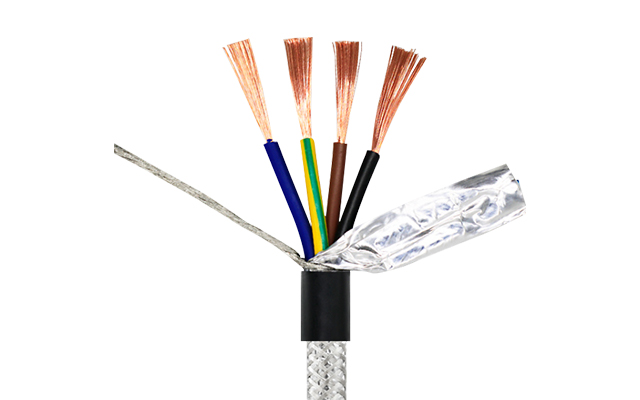
LSZH cable uses a halogen-free polymer blend, typically polyethylene or polyolefin-based compounds, in place of chlorine-containing PVC. When exposed to fire, LSZH insulation produces smoke density typically below 20% optical obscurity under IEC 61034, versus over 80% for standard PVC. It also emits no hydrogen chloride gas, which is the primary source of toxic, corrosive fumes in a PVC cable fire.
Halogen-free insulation and jacket materials (no chlorine or fluorine compounds)
Low smoke density under fire conditions, improving visibility for evacuation
No corrosive acid gas released, protecting sensitive electronics from HCl damage
Stiffer and less flexible than PVC due to the flame-retardant compound
Higher material cost than equivalent PVC-insulated cable
PVC insulated copper cable remains the most widely used wiring material in general electronics and electrical equipment. It combines a tinned or bare copper conductor with a color-coded PVC insulation layer, offering reliable conductivity, chemical resistance, and easy installation at a lower cost than halogen-free alternatives.
Soft, flexible jacket that's easy to strip, cut, and route during installation
Resistant to acids, alkalis, oils, moisture, and fungus
Lower material cost, making it the default choice for general-purpose wiring
Releases dense smoke and hydrogen chloride gas when burned
Not recommended for enclosed spaces with strict fire-safety codes
Not sure which insulation fits your project's fire code? Send us your application and voltage rating, and we'll recommend the right PVC electric cable wire or LSZH construction within 24 hours.
| Factor | PVC Cable | LSZH Cable |
|---|---|---|
| Smoke density when burned | Can exceed 80% optical obscurity | Typically below 20% optical obscurity (IEC 61034) |
| Toxic gas released | Hydrogen chloride (HCl) and other corrosive fumes | No halogen acid gas emitted |
| Flexibility | Soft, easy to bend and route | Stiffer, more limited flex range |
| Appearance | Shiny surface | Matte, more rigid surface |
| Material cost | Lower | Higher |
| Typical fire standards | UL 758, UL 1581 | IEC 60332-1, IEC 60754-1/2, IEC 61034 |
| Best-suited environment | General-purpose, well-ventilated spaces | Confined, densely populated, or poorly ventilated spaces |
PVC insulated copper cable is the practical choice whenever fire codes are less stringent and cost or flexibility matters more than smoke performance:
General-purpose internal wiring for electronics, appliances, and industrial automation equipment
Well-ventilated commercial and residential installations
Budget-sensitive projects where cable count and total length are high
Applications requiring frequent bending or flexing during installation
LSZH earns its higher cost whenever a fire event would put people or sensitive equipment at risk from smoke and toxic gas:
Data centers and telecommunication hubs, where corrosive smoke can damage servers and switchgear
Hospitals, schools, and airports, where evacuation visibility is critical
Metro systems, aircraft, and ships, where regulations such as EN 45545 and FAA 25.853 mandate low-smoke materials
Any enclosed or poorly ventilated space where a fire's toxic byproducts can't easily disperse
Building out a data center or transit project that requires halogen-free cabling? Tell us your conductor size and pair count, and our team can quote a compliant LSZH build for your specification within one business day.
Neither is universally "better" — it depends on the fire-safety requirements of your installation. LSZH is safer in enclosed, densely populated spaces because it produces far less smoke and no toxic halogen gas. PVC is more cost-effective and flexible for general-purpose wiring where such fire codes don't apply. For more background on LSZH material properties, see our guide on Low Smoke Zero Halogen Wire.
The insulation and jacket compound. PVC contains chlorine, which releases dense smoke and hydrogen chloride gas when burned. LSZH uses a halogen-free polymer blend that emits minimal smoke and no corrosive acid gas under the same conditions.
Yes. PVC insulated copper cable and conductor products are commonly rated to UL 758 and UL 1581 and pass the UL VW-1 vertical flame test, which covers general-purpose internal wiring applications. LSZH cable is held to a separate set of standards (IEC 60332-1, IEC 60754-1/2, IEC 61034) specifically targeting smoke density and halogen acid gas emissions.
Yes, but the fire code for the specific space determines which material is required. It's common to see LSZH specified for enclosed server rooms or evacuation routes while PVC is used in adjoining general-purpose areas with less strict requirements — always check local fire regulations and insurance requirements before mixing materials in the same project.

Specializing in the production of wire and cable Hong Kong funded enterprises (both domestic and foreign sales); has won the IS09001-2000 international quality certification and the United States UL safety certification, is a professional wire manufacturers.
Tel: +86-769-8178 1133
Mobile: +86-13549233111
E-mail: andy@herwell.com.cn
Add: No.13 Shui Chang Er Road, Shui Kou Village, Dalang Town, Dongguan City, Guangdong Province, China


