

2026-06-04 11:55:37
In modern electrical and industrial systems, a Control Cable plays a vital role in ensuring reliable communication between equipment, machinery, and control devices. Whether used in factories, power plants, building automation systems, or transportation infrastructure, control cables help transmit signals that monitor, regulate, and control operations.
But what exactly is the purpose of a control cable, and how does it work? This article explores the functions, types, and applications of control cables while explaining why they are essential for today's automated systems.
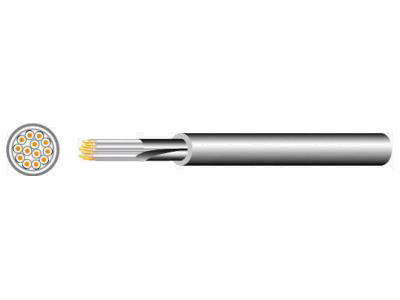
A Control Cable is an electrical cable designed to transmit control signals and low-voltage power between various devices and equipment. Unlike power cables, which are primarily used to deliver electrical energy, control cables focus on carrying command, monitoring, and communication signals.
Control cables are commonly used to connect:
Control panels
Sensors
Switches
Relays
Programmable Logic Controllers (PLCs)
Motors
Industrial machinery
Depending on the application, control cables may feature multiple conductors, shielding layers, and specialized insulation materials to ensure reliable signal transmission.
The primary purpose of a Control Cable is to transmit electrical signals that control the operation of equipment and systems.
These signals can be used to:
Control cables allow operators or automated systems to activate and deactivate machinery safely and efficiently.
Control cables transmit data from sensors and monitoring devices, helping operators track temperature, pressure, speed, and other critical parameters.
In modern manufacturing facilities, control cables connect automation systems to machinery, enabling precise and consistent operation.
Control cables help support emergency stop systems, alarm circuits, and safety interlocks that protect personnel and equipment.
Many industrial systems rely on control cables to allow equipment to be monitored and controlled from centralized locations.
A Control Cable carries low-voltage electrical signals between control devices and equipment.
For example, when a control panel sends a command to start a motor, the signal travels through the control cable to the motor controller.
Control cables facilitate communication between:
Sensors
Controllers
Actuators
Monitoring equipment
This communication allows automated systems to respond quickly to changing operating conditions.
In industrial environments, electrical noise can interfere with signal quality. To address this issue, many systems use a Multi Core Shielded Cable or Screened Multicore Cable to reduce electromagnetic interference (EMI) and maintain accurate signal transmission.
A Low Voltage Control Cable is designed for low-voltage signal transmission and control applications.
Typical uses include:
Industrial automation
Building management systems
HVAC controls
Lighting control systems
Security systems
These cables provide safe and efficient communication between electrical devices.
A Multi Core Shielded Cable contains multiple insulated conductors protected by a shielding layer.
Advantages include:
Reduced signal interference
Improved transmission reliability
Better performance in electrically noisy environments
These cables are widely used in automation and instrumentation systems.
A Screened Multicore Cable uses a metallic screen surrounding the conductors to block external electromagnetic interference.
Common applications include:
Factory automation
Control cabinets
Process control equipment
Communication systems
A UL Control Cable is manufactured according to Underwriters Laboratories (UL) safety standards.
Benefits include:
Enhanced safety compliance
Reliable performance
International market acceptance
Consistent product quality
Many industrial projects specify UL Control Cable products to meet regulatory requirements.
PVC Insulated Hook up wire is frequently used in control systems and electrical equipment.
Benefits include:
Good electrical insulation
Flexibility
Moisture resistance
Cost-effective installation
These wires are commonly found in control panels and internal equipment wiring.
A Thermoplastic Sheathed Cable features a durable outer jacket designed to protect conductors from environmental and mechanical damage.
Advantages include:
Abrasion resistance
Chemical resistance
Moisture protection
Long service life
Thermoplastic sheathing makes control cables suitable for demanding industrial environments.
Control cables connect PLCs, sensors, drives, and actuators in automated production systems.
A Low Voltage Control Cable is commonly used to control machinery and monitor production equipment.
Control cables support:
HVAC systems
Lighting automation
Fire alarm systems
Security controls
Reliable signal transmission is essential for monitoring and controlling electrical generation equipment.
Control cables are widely used in railways, airports, traffic control systems, and infrastructure projects.
Choosing the right Control Cable offers several advantages:
High-quality cables provide stable signal transmission and minimize system interruptions.
Proper insulation and shielding help reduce electrical hazards and signal failures.
Using a Multi Core Shielded Cable or Screened Multicore Cable helps maintain accurate communication.
Materials such as Thermoplastic Sheathed Cable and PVC Insulated Hook Up Wire enhance cable lifespan and reduce maintenance requirements.
Certified products such as UL Control Cable help ensure compliance with industry standards and project specifications.
When selecting a control cable, consider:
Voltage requirements
Number of conductors
Shielding needs
Installation environment
Safety certifications
Flexibility requirements
Matching the cable design to the application ensures reliable performance and long-term operational efficiency.
So, what is the purpose of a control cable? A Control Cable is designed to transmit signals that control, monitor, and automate equipment and systems. From industrial automation and building management to transportation and power generation, control cables serve as the communication link that keeps modern systems operating efficiently.
Whether you require a Low Voltage Control Cable, Multi Core Shielded Cable, Screened Multicore Cable, UL Control Cable, PVC Insulated Hook Up Wire, or Thermoplastic Sheathed Cable, selecting the appropriate cable is essential for achieving reliable performance, safety, and long-term system stability.
Specializing in the production of wire and cable Hong Kong funded enterprises (both domestic and foreign sales); has won the IS09001-2000 international quality certification and the United States UL safety certification, is a professional wire manufacturers.
Tel: +86-769-8178 1133
Mobile: +86-13549233111
E-mail: andy@herwell.com.cn
Add: No.13 Shui Chang Er Road, Shui Kou Village, Dalang Town, Dongguan City, Guangdong Province, China


