

2026-11-28 09:55:39
PVC Electric Cable Wire is widely used in residential, commercial, and industrial electrical systems because of its excellent insulation properties, durability, flexibility, and cost-effectiveness. Made with polyvinyl chloride (PVC) insulation or sheathing, Pvc Wire and cable products help protect electrical conductors from moisture, abrasion, chemicals, and other environmental factors.
From PVC insulated wire and power cables to PVC cable glands and plastic cable conduits, these products play an important role in electrical installations and cable management. Understanding the different types, features, and applications of PVC Electric Cable Wire can help buyers select suitable products for their electrical projects.
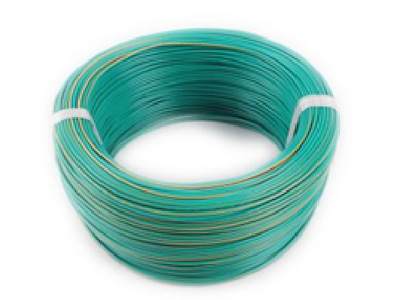
PVC electric cable wire is an electrical conductor covered with polyvinyl chloride insulation to provide electrical protection and mechanical durability. Copper and aluminum are commonly used as conductor materials, while PVC serves as an insulating or protective layer.
PVC is a popular insulation material because it offers good electrical insulation, resistance to moisture, chemical stability, and relatively easy processing. It can also be manufactured in different colors, thicknesses, and specifications to meet various electrical installation requirements.
Depending on the construction and intended application, PVC electric cable wire can be used for power transmission, Electrical Wiring, control systems, lighting installations, and industrial equipment.
PVC electrical products are available in different designs to accommodate various installation environments and electrical requirements.
PVC wire generally refers to an electrical conductor covered with PVC insulation. It is commonly used in residential wiring, lighting systems, electrical appliances, and control circuits.
Available in different conductor sizes, colors, and insulation thicknesses, PVC wire provides a practical solution for general electrical connections and installations.
PVC insulated wire features a protective PVC layer around a conductive metal core, helping prevent electrical leakage, short circuits, and accidental contact with energized conductors.
Depending on the conductor structure, PVC insulated wire can be manufactured with solid or stranded copper conductors. Solid wire is commonly used in fixed electrical installations, while stranded wire offers greater flexibility for applications involving movement or frequent bending.
PVC electric cable typically consists of one or more insulated conductors, sometimes combined with an additional PVC outer sheath for enhanced protection.
It is widely used in power distribution, building wiring, industrial machinery, and electrical equipment. Depending on the application, PVC electric cables can be supplied in different core configurations, voltage ratings, conductor materials, and cable sizes.
A PVC cable gland is a cable entry and securing accessory designed to help protect cables where they enter electrical enclosures, junction boxes, or equipment housings.
Cable glands help provide cable retention, strain relief, and protection against dust and moisture when selected with an appropriate sealing design and enclosure rating.
When choosing a PVC cable gland, buyers should consider cable diameter, thread size, installation environment, material compatibility, and required ingress protection.
Plastic cable conduit is a protective tubing system designed to route and organize electrical wires and cables. PVC conduit is commonly used in buildings, commercial facilities, and industrial installations.
It helps protect electrical wiring from mechanical damage, abrasion, and environmental exposure while providing an organized pathway for cable installation and maintenance.
PVC cable conduits are available in different diameters, wall thicknesses, and rigid or flexible designs to accommodate various wiring requirements.
PVC electric cable wire is widely selected for electrical applications because of its combination of insulation performance, durability, and installation convenience.
PVC provides reliable electrical insulation when properly formulated and manufactured according to the required standards. It helps prevent current leakage and reduces the risk of short circuits caused by direct conductor contact.
PVC insulation offers good resistance to moisture, oils, acids, alkalis, and many common chemicals. This makes PVC wire and cable suitable for various indoor and selected industrial environments.
Actual resistance depends on the PVC formulation and operating conditions.
PVC insulated wire is available in different levels of flexibility. Its relatively lightweight construction and easy handling make it convenient for wiring installations, electrical connections, and cable routing.
PVC is a widely available insulation material with good processing characteristics and a competitive manufacturing cost. It provides a practical balance between performance, service life, and overall project cost.
PVC electric cable wire can be customized according to conductor material, cross-sectional area, insulation thickness, number of cores, color, and voltage rating.
This variety allows buyers to select suitable products for different electrical systems and installation requirements.
PVC wire and cable products are used across multiple industries and electrical installation environments.
Residential buildings: PVC insulated wire is commonly used in lighting circuits, power outlets, and household electrical installations.
Commercial buildings: PVC electric cables support power distribution, lighting systems, and electrical equipment connections.
Industrial facilities: PVC cables are used in machinery, control panels, equipment wiring, and general electrical distribution where their specifications meet operating requirements.
Electrical appliances: PVC wire provides insulation and electrical connections for various household and commercial appliances.
Construction projects: PVC cable conduits and accessories help organize and protect electrical wiring during building installations.
Electrical enclosures: PVC cable glands and related accessories support cable entry, retention, and installation protection.
The appropriate PVC cable type depends on the installation environment, electrical load, temperature, mechanical stress, and applicable safety regulations.
Selecting the right PVC electric cable wire is essential for electrical safety, reliable performance, and long-term operation. Buyers should evaluate several important factors before placing an order.
Copper and aluminum are two common conductor materials.
Copper offers high electrical conductivity and good flexibility, making it widely used in building wiring and electrical equipment. Aluminum is lighter and can be a cost-effective option for certain power distribution applications when properly sized and installed.
The conductor cross-sectional area directly affects the cable's current-carrying capacity and electrical resistance.
Common sizes vary depending on the application and regional standards. Buyers should select the appropriate wire size based on current requirements, installation conditions, cable length, voltage drop, and applicable electrical codes.
PVC insulation thickness and cable construction must meet the required voltage rating and relevant product standards.
Choosing a cable with an appropriate voltage rating helps ensure safe operation under the intended electrical conditions.
Different PVC compounds have different temperature ratings. Buyers should check the manufacturer's specifications to confirm that the selected PVC insulated wire can withstand the expected operating temperature.
Indoor, outdoor, underground, and industrial installations may require different cable constructions and protective accessories.
For example, PVC cable conduit can provide additional mechanical protection, while suitable cable glands can help secure cable entries into electrical enclosures.
PVC is one of several materials used for electrical wire and cable insulation. Other common options include XLPE and rubber.
| Feature | PVC | XLPE | Rubber |
|---|---|---|---|
| Electrical insulation | Good | Excellent | Good |
| Flexibility | Varies by formulation | Generally lower in standard cable designs | Often excellent |
| Heat resistance | Moderate | High | Varies by compound |
| Moisture resistance | Good | Excellent | Good |
| Chemical resistance | Good against many chemicals | Good | Depends on compound |
| Typical applications | Building wiring and general power cables | Power distribution and higher-temperature applications | Flexible cables and specialized equipment |
The best insulation material depends on operating temperature, voltage requirements, flexibility, environmental exposure, and applicable electrical standards.
PVC remains a popular choice for general-purpose electrical wiring because of its versatility and cost-effectiveness.
PVC electric cable wire is used in residential, commercial, and industrial electrical systems. Common applications include building wiring, lighting circuits, power distribution, electrical appliances, and machinery connections.
PVC wire generally refers to a single insulated electrical conductor, while PVC cable usually contains one or more insulated conductors and may include an additional outer protective sheath. The exact construction depends on the product design and application.
Some PVC insulated wire and cable products can be used in outdoor environments when their construction and ratings are specifically designed for those conditions. Buyers should check UV resistance, moisture protection, temperature ratings, and applicable installation requirements before selecting a product.
PVC material has good moisture resistance, but this does not automatically make every PVC cable waterproof. Water resistance depends on the complete cable construction, joints, connectors, and sealing design.
A PVC cable gland is used to secure and protect a cable where it enters an enclosure or electrical device. Plastic cable conduit is a protective tube used to route and organize electrical wires along an installation path. Both accessories help improve cable management and installation protection.
The correct cable size depends on the electrical current, voltage, cable length, installation method, ambient temperature, and allowable voltage drop. Always refer to applicable electrical standards and consult a qualified electrical professional when selecting cable specifications.
Yes. PVC wire and cable are widely used in industrial applications, including control panels, machinery wiring, and general electrical distribution. However, the selected cable must meet the required voltage, temperature, chemical resistance, and mechanical protection specifications.
PVC Electric Cable Wire is an important component in modern electrical installations, offering a practical combination of insulation performance, durability, flexibility, and cost-effectiveness. From PVC insulated wire and PVC electric cables to PVC cable glands and plastic cable conduits, different products serve specific electrical connection, protection, and cable management needs.
Choosing the right product requires careful consideration of conductor materials, cable sizes, voltage ratings, insulation properties, and installation environments. By understanding these factors, buyers can select suitable PVC electrical products for residential, commercial, and industrial projects.

Specializing in the production of wire and cable Hong Kong funded enterprises (both domestic and foreign sales); has won the IS09001-2000 international quality certification and the United States UL safety certification, is a professional wire manufacturers.
Tel: +86-769-8178 1133
Mobile: +86-13549233111
E-mail: andy@herwell.com.cn
Add: No.13 Shui Chang Er Road, Shui Kou Village, Dalang Town, Dongguan City, Guangdong Province, China


