

2026-10-21 15:29:47
UL Electronic Wire is widely used in electrical and electronic equipment where reliable insulation, consistent performance, and compliance with applicable safety standards are important. From household appliances and industrial control systems to electronic devices and internal equipment wiring, choosing the right wire helps improve electrical safety and product reliability.
For manufacturers, OEMs, and electrical equipment suppliers, understanding UL electronic wire types, insulation materials, and application requirements is essential when selecting a suitable wiring solution.
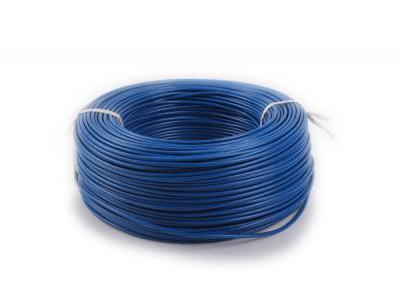
UL electronic wire refers to electrical wire that has been evaluated or certified by UL (Underwriters Laboratories) to applicable safety standards for its intended use. These wires are designed for electrical connections in electronic equipment, appliances, control systems, and other applications, depending on their specific ratings and construction.
UL electronic wire is available in different conductor sizes, insulation materials, temperature ratings, and voltage ratings. The appropriate specification depends on the electrical load, operating environment, installation method, and requirements of the finished product.
When sourcing UL electronic wire, buyers should check the applicable UL style, wire gauge, insulation type, temperature rating, voltage rating, and certification status rather than relying on the UL designation alone.
Different UL wire styles are designed for different operating conditions. Selecting the right type helps ensure compatibility with the intended equipment and installation environment.
PVC-insulated wire is commonly used in electronic equipment, household appliances, and general internal wiring applications. It offers practical insulation performance, flexibility, and cost-effectiveness for many standard electrical connections.
Its suitability depends on the specific UL wire style, temperature rating, voltage rating, and environmental requirements.
hook-up wire is used to connect components within electronic devices, control panels, and electrical assemblies. It is available in various conductor sizes and insulation materials to accommodate different current requirements and installation conditions.
For equipment manufacturers, selecting the correct hook-up wire can help simplify assembly and support consistent wiring quality.
Some electronic applications involve elevated operating temperatures or exposure to heat-generating components. High-temperature wire is designed for use within specified temperature limits and may use insulation materials selected for improved thermal resistance.
Before purchasing, buyers should confirm the wire's rated operating temperature and compatibility with the surrounding environment.
Flexible wire is suitable for applications that require easier routing through compact spaces or around components. Depending on its construction, it may be used in electronic assemblies, electrical equipment, and internal wiring systems.
For applications involving repeated movement or bending, confirm whether the selected wire is specifically rated for the required flexing conditions.
UL electronic wire supports a broad range of electrical and electronic applications.
Consumer electronics: Internal connections in electronic devices and equipment.
Household appliances: Wiring for appliances that require appropriately rated internal conductors.
Industrial control systems: Electrical connections in control panels, automation equipment, and machinery.
Power and electronic assemblies: Internal wiring for compatible electrical components and assemblies.
OEM manufacturing: Wire supplied to equipment manufacturers for integration into finished products.
The final wire selection should always match the applicable product safety requirements and the intended operating conditions.
Choosing suitable electronic wire involves more than selecting a conductor size. Buyers should evaluate several technical factors before placing an order.
Different UL styles have different construction requirements and intended applications. Verify the exact style required by your equipment design and applicable safety standards.
Wire gauge affects current-carrying capacity, voltage drop, and installation compatibility. Consider the electrical load, conductor material, wire length, and applicable design requirements when selecting the gauge.
PVC, cross-linked polyethylene, and other insulation materials offer different electrical, thermal, and mechanical properties. Choose the material according to the application's temperature range, flexibility requirements, and environmental exposure.
The wire's rated voltage and temperature must be appropriate for the equipment and installation conditions. These ratings should be confirmed from the relevant product specifications and certification records.
For OEM projects, customized conductor sizes, insulation colors, wire lengths, and packaging may help improve production efficiency. Discuss these requirements with your wire manufacturer to confirm available options and applicable certification constraints.
Working with a qualified UL electronic wire manufacturer can help purchasing teams source products that meet their technical requirements and production schedules.
When evaluating a supplier, consider the following factors:
Certification and traceability: Verify applicable UL certifications and product markings.
Consistent quality: Ask about conductor inspection, insulation testing, and production quality controls.
Product range: Check whether the supplier can support the wire styles, gauges, and insulation materials required for your project.
OEM support: Confirm the availability of custom lengths, colors, specifications, and packaging.
Technical communication: Choose a supplier that can provide clear product documentation and help identify suitable specifications.
A reliable UL electronic wire supplier should be able to explain the specifications of its products and provide documentation relevant to the intended application.
UL refers to Underwriters Laboratories, an organization that develops safety standards and provides testing and certification services. A UL marking should be verified against the specific product, applicable standard, and certification records.
No. Different wire styles are designed for specific applications and operating conditions. Always verify the wire's ratings, construction, and certification requirements before use.
Customization may be available depending on the manufacturer and product type. Common options include conductor size, insulation color, wire length, and packaging. Any changes must remain consistent with applicable technical and certification requirements.
Consider the required current, conductor material, wire length, allowable voltage drop, operating temperature, installation conditions, and applicable electrical standards. Consult a qualified electrical engineer when necessary.
Ask for the UL wire style, conductor specifications, insulation material, rated voltage, temperature rating, certification information, available customization options, minimum order quantity, and lead time.
Selecting the right UL electronic wire helps support electrical safety, consistent assembly, and reliable equipment performance. By evaluating wire style, conductor size, insulation material, ratings, and certification requirements, buyers can make more informed sourcing decisions.
If you are looking for an electronic wire solution for OEM manufacturing or electrical equipment production, contact Herwell Wire to discuss your application, required specifications, and customization needs.
Specializing in the production of wire and cable Hong Kong funded enterprises (both domestic and foreign sales); has won the IS09001-2000 international quality certification and the United States UL safety certification, is a professional wire manufacturers.
Tel: +86-769-8178 1133
Mobile: +86-13549233111
E-mail: andy@herwell.com.cn
Add: No.13 Shui Chang Er Road, Shui Kou Village, Dalang Town, Dongguan City, Guangdong Province, China


