

2026-08-27 14:34:01
UL Low Smoke Zero Halogen Wire is designed for electrical applications where reliable electrical performance, low smoke emission, and halogen-free characteristics are important. Compared with conventional wires that may use halogen-containing insulation materials, UL Low Smoke Zero Halogen Wire is designed to reduce smoke and corrosive gas emissions when exposed to fire.
Different cable constructions are available for different applications, including Coiled Cable, Halogen Free Wires, Single Conductor Shielded Cable, Hook Up Wire, Halogen Free Wire, and Halogen Free Single Conductor Shielded Wire. By selecting the appropriate conductor, insulation, shielding, and cable structure, manufacturers can provide solutions for a wide range of electrical and electronic applications.
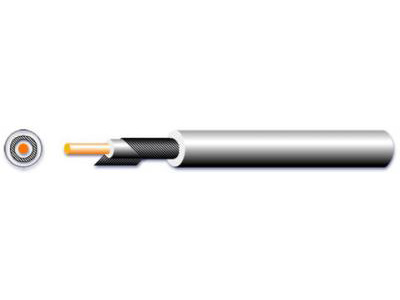
UL Low Smoke Zero Halogen Wire, commonly referred to as LSZH wire, is an electrical wire manufactured with insulation materials designed to produce low levels of smoke and little or no halogen-based emissions during combustion.
The "UL" designation refers to compliance with applicable Underwriters Laboratories requirements for a specific wire construction. The exact UL standard or wire style depends on the product design, insulation material, conductor structure, voltage rating, and intended application.
The main purpose of an UL Low Smoke Zero Halogen Wire is to combine dependable electrical performance with improved fire-related characteristics.
LSZH stands for Low Smoke Zero Halogen.
"Low Smoke" means the cable is designed to generate less smoke when exposed to fire compared with certain conventional cable materials.
"Zero Halogen" means the insulation or jacket formulation is designed without intentionally added halogen elements such as chlorine, fluorine, bromine, or iodine.
When halogen-containing materials burn, they can generate corrosive and potentially harmful gases. Halogen Free Wire is designed to reduce these emissions and can therefore be considered for applications where smoke and corrosive gas control are important.
Halogen Free Wires are electrical wires manufactured with insulation or jacketing materials that are formulated to contain little or no halogens.
The primary advantage of Halogen Free Wire is its performance under fire conditions. Instead of producing significant quantities of halogen-based corrosive gases, properly designed halogen-free materials are intended to reduce corrosive emissions while also limiting smoke generation.
Halogen-free Cable Solutions are particularly relevant where electrical equipment is installed in enclosed spaces or where protecting sensitive equipment from corrosive combustion products is an important consideration.
One of the key characteristics of LSZH cable materials is reduced smoke generation under fire conditions. Lower smoke levels can help maintain visibility in enclosed environments and may support safer evacuation conditions.
Halogen Free Wires use specially formulated insulation materials designed to minimize halogen content. This helps reduce the formation of corrosive halogen gases when the material is exposed to extreme heat or fire.
Halogen-free construction is not only about fire performance. The wire must also provide reliable electrical characteristics for its intended application, including suitable conductivity, insulation resistance, voltage rating, and temperature performance.
Depending on the conductor and insulation construction, halogen-free wires can be designed for different flexibility requirements. For applications involving repeated movement, a flexible Coiled Cable may be a suitable option.
A Coiled Cable is an electrical cable formed into a spiral or helical configuration. This structure allows the cable to extend when pulled and retract when released, helping save space and manage cable movement.
Coiled cables can be manufactured with different conductor sizes, lengths, insulation materials, and connector configurations.
For applications where low-smoke and halogen-free characteristics are required, a Halogen Free Coiled Cable can be developed by combining a coiled structure with suitable halogen-free insulation materials.
Coiled Cable can be used in applications such as:
Industrial equipment
Control systems
Mobile electrical devices
Handheld equipment
Instrumentation
Machinery
Electrical assemblies
Equipment requiring flexible cable movement
The exact suitability depends on the cable's mechanical and electrical specifications.
Single Conductor Shielded Cable is a cable construction that contains one main electrical conductor and a surrounding shielding layer.
The shield is designed to help reduce electromagnetic interference (EMI) and protect electrical signals from external electromagnetic noise. Depending on the application, shielding can use braided wire, foil, spiral shielding, or other conductive structures.
Single conductor shielded cables are often considered for signal, control, instrumentation, and other applications where electromagnetic compatibility is important.
Halogen Free Single Conductor Shielded Wire combines three important characteristics:
Single-conductor construction
Electromagnetic shielding
Halogen-free insulation
This cable type can be used when an application requires both EMI protection and low-smoke, halogen-free characteristics.
The construction of a Halogen Free Single Conductor Shielded Wire can be customized according to conductor size, insulation thickness, shielding structure, operating temperature, voltage requirements, and flexibility.
A properly designed halogen-free shielded wire can provide:
Reduced smoke emission
Reduced corrosive gas emission
Halogen-free insulation
EMI protection
Reliable signal transmission
Single-conductor construction
Flexible design options
Hook Up Wire is a single-conductor electrical wire commonly used for internal wiring and electrical connections.
It is widely used in electronic equipment, control panels, electrical assemblies, appliances, power supplies, and industrial equipment.
Hook-up wire can be manufactured with different conductor sizes, insulation materials, voltage ratings, temperature ratings, and colors. When a low-smoke, halogen-free solution is required, manufacturers can provide Halogen Free Hook Up Wire based on the application requirements.
The main difference between Halogen Free Wire and conventional wire is the formulation of the insulation or jacket.
Halogen-free materials are designed to reduce halogen-based emissions and smoke during combustion. Conventional wires may use insulation materials containing halogens, depending on the cable construction.
However, cable performance should not be judged by the insulation material alone. Factors such as conductor material, insulation thickness, cable structure, voltage rating, temperature rating, mechanical properties, and applicable standards should also be considered.
The conductor size should be selected according to the required current capacity, voltage drop, installation conditions, and electrical system requirements.
The insulation material affects the wire's temperature resistance, flexibility, mechanical strength, electrical performance, and halogen-free characteristics.
The selected wire should have a voltage rating suitable for the intended electrical application. Always verify the product's technical specifications before installation.
Different applications may expose the wire to different operating temperatures. The wire should have an appropriate temperature rating for the working environment.
If electromagnetic interference is a concern, a Single Conductor Shielded Cable or Halogen Free Single Conductor Shielded Wire may be more appropriate than an unshielded wire.
For applications involving repeated movement, bending, or extension, cable flexibility should be considered. A Coiled Cable can be useful when extension and retraction are required.
For applications requiring UL-certified products, buyers should confirm the applicable UL wire style, certification, voltage rating, temperature rating, and other relevant requirements with the cable manufacturer.
Halogen Free Wires can be considered for a variety of electrical and electronic applications where low smoke and reduced corrosive emissions are important.
Typical applications may include:
Industrial automation
Electrical control systems
Electronic equipment
Control panels
Instrumentation
Communication equipment
Transportation systems
Power and control assemblies
Internal equipment wiring
Enclosed electrical installations
The specific application should always be evaluated according to the complete cable specification and applicable industry requirements.
Choosing UL Low Smoke Zero Halogen Wire can provide a combination of electrical performance and low-smoke, halogen-free characteristics.
For different application requirements, manufacturers can supply Halogen Free Wire, Halogen Free Wires, Hook Up Wire, Single Conductor Shielded Cable, Coiled Cable, and Halogen Free Single Conductor Shielded Wire in different constructions.
Customized cable solutions can also be developed according to conductor size, insulation material, shielding requirements, voltage rating, temperature rating, flexibility, dimensions, and certification requirements.
UL Low Smoke Zero Halogen Wire is an electrical wire designed with low-smoke and halogen-free insulation or jacketing materials. It can be manufactured to applicable UL requirements for its specific construction.
LSZH stands for Low Smoke Zero Halogen. It describes cable materials designed to produce low levels of smoke and little or no halogen-based emissions during combustion.
Halogen Free Wire is electrical wire manufactured with insulation materials formulated without intentionally added halogens. It is designed to reduce smoke and corrosive gas emissions under fire conditions.
A Coiled Cable is a cable formed into a spiral shape that can extend and retract. It is suitable for applications requiring cable flexibility, movement, and space-efficient cable management.
Single Conductor Shielded Cable contains one main conductor and a conductive shielding layer. The shield helps reduce electromagnetic interference and protect signal integrity.
Hook Up Wire is commonly used for internal electrical connections in electronic equipment, control panels, appliances, power supplies, and industrial equipment.
Halogen Free Single Conductor Shielded Wire combines a single electrical conductor, electromagnetic shielding, and halogen-free insulation. It is suitable for applications requiring both EMI protection and low-smoke characteristics.
The terms are closely related, but the exact meaning depends on the applicable standard and product specification. LSZH generally emphasizes both low smoke and zero/low halogen characteristics, while "halogen free" specifically focuses on the absence or limitation of halogens.
UL Low Smoke Zero Halogen Wire is designed for electrical applications where low smoke emission, halogen-free characteristics, and reliable electrical performance are required. Different constructions, including Halogen Free Wires, Halogen Free Wire, Coiled Cable, Single Conductor Shielded Cable, Hook Up Wire, and Halogen Free Single Conductor Shielded Wire, can meet different electrical, mechanical, and environmental requirements.
When selecting a halogen-free cable, it is important to consider conductor size, insulation material, voltage rating, temperature rating, flexibility, shielding, certification, and the specific operating environment. A properly specified cable can provide dependable performance while meeting the safety requirements of the intended application.
Specializing in the production of wire and cable Hong Kong funded enterprises (both domestic and foreign sales); has won the IS09001-2000 international quality certification and the United States UL safety certification, is a professional wire manufacturers.
Tel: +86-769-8178 1133
Mobile: +86-13549233111
E-mail: andy@herwell.com.cn
Add: No.13 Shui Chang Er Road, Shui Kou Village, Dalang Town, Dongguan City, Guangdong Province, China


